Master of Arts in Art Therapy

In the MA Art Therapy program at Tyler, students can explore their identity as artists and therapists through self-reflective art making, experiences in the field, and arts-based research.

Combine Creativity and Psychology

An MA in Art Therapy degree provides students with a multidisciplinary curriculum that is academically sound, clinically grounded, and ethically focused. This program integrates the disciplines of art therapy and counseling psychology.


megaphone icon

Join our Virtual Sessions

We’re hosting a live, virtual session on December 10 with our Art Therapy faculty to share more information about the program. 

Learn More

The Principles of Our Program

Tyler’s MA in Art Therapy is structured on four main principles that ensures graduates have the requisite knowledge, skills, and competencies to provide high-quality therapeutic services and to effectively practice as professional art therapists after graduation.

Tactile Art

Theory 

Apply theory to practice, employ critical thinking, and navigate complex relationships and social contexts.

The Art of Connection

Creativity

Effectively utilize the creative process and studio art making within the therapeutic alliance.

student examining an art book

Ethics

Respond to issues of social justice and to the needs of people in diverse settings through research while following professional ethical standards and scope of practice.

art therapy student working with a group

Community

Contribute to community well-being and social equity through accessible and affordable arts-based mental health services.

Get Answers and Help

The Tyler School of Art and Architecture features its own admissions team, who can provide you with the information you need to make the best decision for your educational and career goals. 

Explore Degrees

Master of Arts in Art Therapy

The Master of Arts (MA) in Art Therapy is a new graduate degree program for the Tyler School of Art and Architecture. The overarching focus is to prepare competent entry-level art therapists in the cognitive, psychomotor, and affective learning domains and to develop compassionate, skilled, and culturally competent art therapists.

Careers 

The field of art therapy has witnessed a significant rise in popularity, recognition and application across various settings, including hospitals, schools, community centers, and rehabilitation facilities. 

While art therapy practice shares commonality with other mental health professions, the combination of psychological knowledge and therapeutic skills with an understanding of art media, the neurobiology of artmaking, and the creative process distinguishes art therapy from these professions. 

Study Immersed in Art

people working on bowls at a ceramics workshop in the ceramics facilities

As a master's student in Tyler's Art Therapy program, you will study in a dynamic creative environment surrounded by art studios. You'll also have access to the university's professional gallery, Temple Contemporary.

Tyler's Facilities

Temple Contemporary

Art Therapy Graduate Program FAQs

Here are some common questions about the Masters of Art in Art Therapy program at Tyler.

What are the pre-requisites for the program?

18 semester credits hours in studio art 

12 semester credit hours in psychology - Developmental Psychology and Theories of Personality 

What is required with the application?
  • 3 letters of recommendation 
  • 20-piece portfolio (with a range of media) 
  • Resume or CV 
  • Personal Statement of Goals 
Are there preferable sources for the letters of recommendation?

Recommendation letters should be written by people who know you in academic and/or professional capacities, including in art therapy-related volunteer experiences.  Personal references are discouraged.

How many full semesters?

The curriculum is designed as 6 full semesters plus 2 summer terms. Full time graduate school typically is 9 semester credit hours. 

  • Art Therapy (30 Credits) 
  • Electives (6 credits)  
  • Art Therapy Supervision (12 Credits) 
  • Counseling Psychology (12 Credits)
What makes this master’s program different from AT programs in different colleges?

We are housed at an internationally acclaimed art school within Temple University, which is a large, urban, public university, with rich art and culture opportunities in the vibrant and historic city of Philadelphia.  

Being in an art and design school at a R1 institution provides other unique advantages that include: 

  1.  exposure to innovative art making, studio practices and artist lectures;  
  2. an environment that encourages experimentation and promotes deep understanding of the creative process;  
  3. collaboration with faculty to gain insights that expand art practice to enrich therapeutic interventions, and  
  4. a large library system, including the Loretta C. Duckworth Scholars Studio, and student success and career centers. 
Will classes be held day or night? Some online? And hours of classes

Since most students work, many classes will be scheduled in the late afternoon or in the evenings. Some courses will be offered in the summer; others offered as weekend intensives.

Will there be a course sequence with classes and their descriptions available to view?

Yes. 

All courses align with the overarching program's goal to prepare competent entry-level Art Therapists in multiple domains. Learning outcomes are supported by the core curriculum areas, cognitive (knowledge), psychomotor (skills), and affective (behavior) competencies that art therapy students must develop through their coursework. 

Titles of the art therapy courses include: 

  • Theoretical Foundations in Art Therapy, History, and Approaches  
  • Foundations in Expressive Therapies  
  • Art Therapy Materials, Media, and Techniques 
  • Art Therapy with Groups 
  • Art Therapy Research  
  • Art Therapy Ethics  
  • Relationships and Family Art Therapy 
  • Cultural Responsiveness in Art Therapy 
  • Community Based Practices in Art Therapy 
Are there studio art electives available or offered to MAAT students?

Studio courses are available for students enrolled in the program; however, there are no studio courses in the curriculum. Electives in the program are related to the students’ area of specialization.

Will there be assistantships at any point?

At this time, there is no dedicated graduate assistantship for the art therapy program.  There are assistantships and externships across campus.  Eligible students will be considered for work study opportunities in the program and/or department.

Will the course in expressive art therapy integrate with other graduate students? For example, music therapy students?

Other students are welcome to enroll in the Foundations in Expressive Therapies depending on their program requirements.

Is the program accredited?

The curriculum design followed the guidelines and standards set forth by the Accreditation Council for Art Therapy Education (ACATE) and the Commission on Accreditation of Allied Health Education Programs (CAAHEP). The standards and guidelines for accreditation are the minimum standards for quality in accrediting programs that prepare people to enter the profession of art therapy.

The program will go through the accreditation process after the first cohort graduates.

Alumni Voices

Program Contact

Profile type
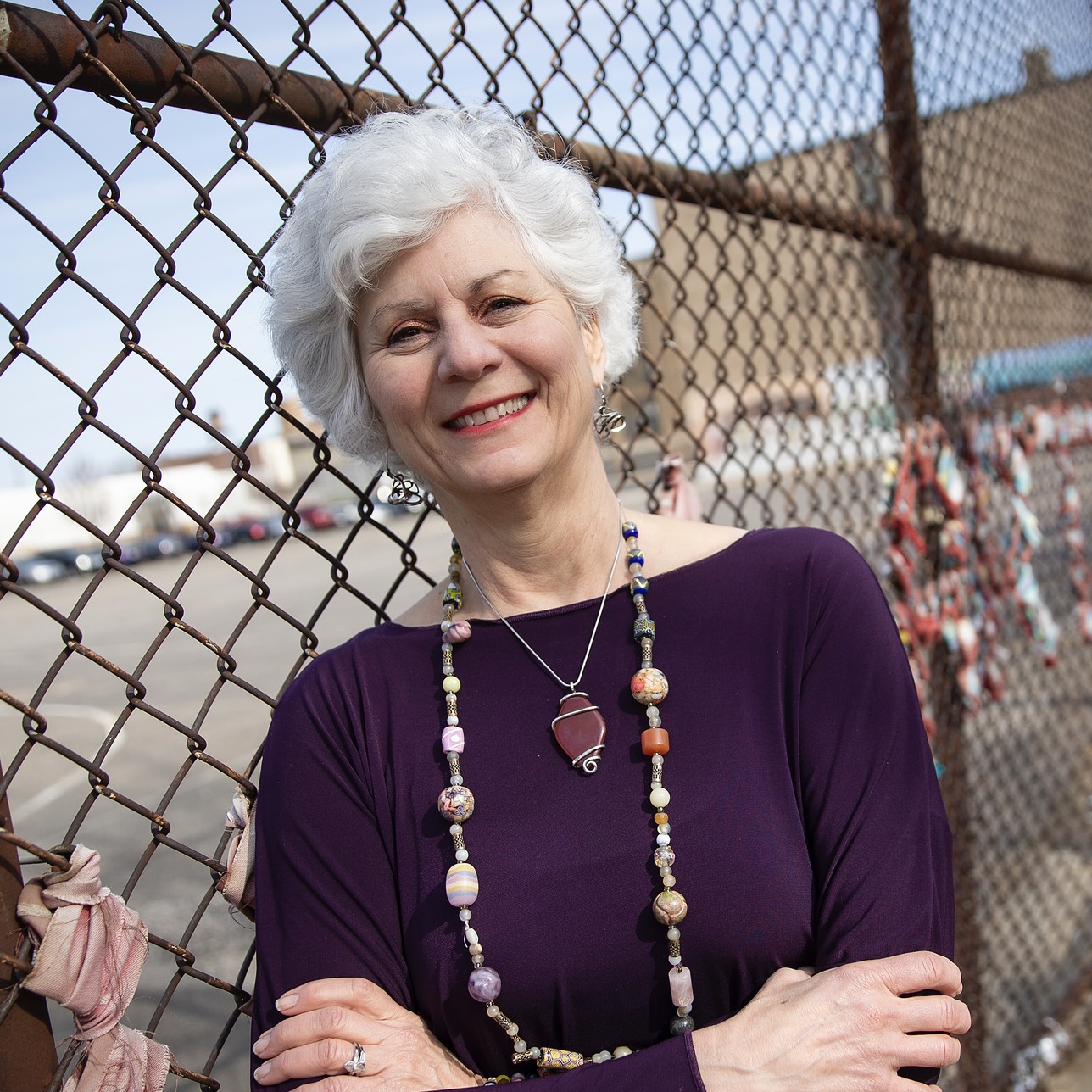
  • Lisa Kay leans against a fence, smiling warmly at the camera and crossing her arms.

    Lisa Kay, EdD, ATR-BC

    Professor, Chair of Art Education & Community Arts Practices, Director of Graduate Studies

    Lisa Kay is an artist/researcher, art educator, and art therapist whose creative voice is manifested in and enhanced by the integration of these three identities. She considers art, teaching, and therapy as an integral part of her art practice. A…

    Email Lisa